The new Restaurant Orio has been open for a few weeks, but the official inauguration for a select group of press and hospitality professionals was today (October 3), and I was fortunate enough to be invited.
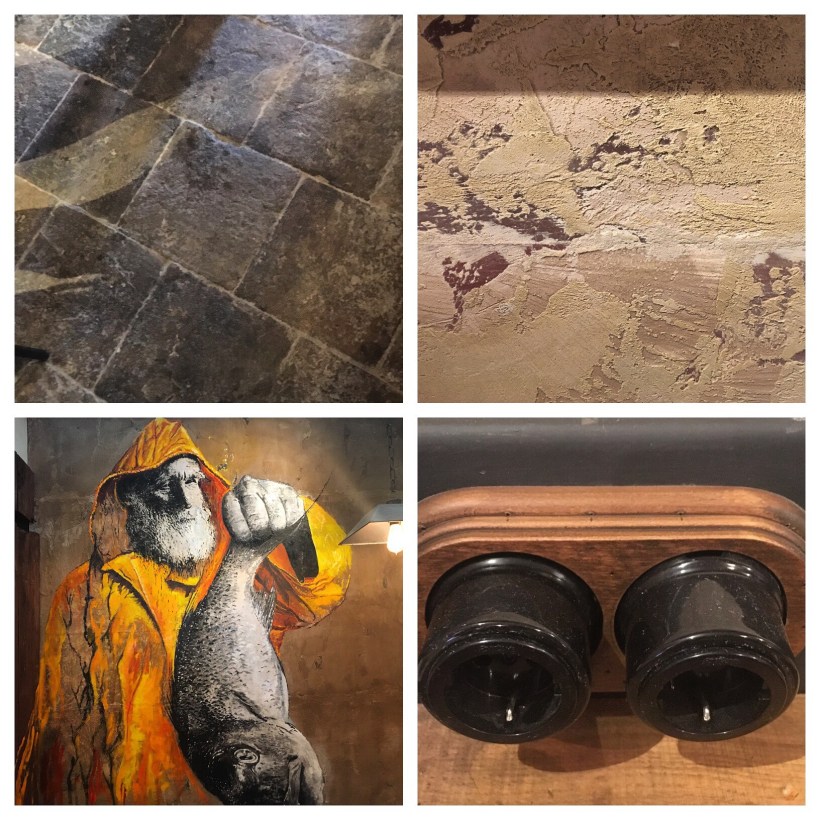
Orio is the second restaurant to be opened in Seville by the Sagardi group (the first is in the Pinello hotel), but is aimed at a more day to day market, incorporating a Basque style pinxo bar (Sagardi was founded in the Basque country) as well as a restaurant featuring Basque cuisine.
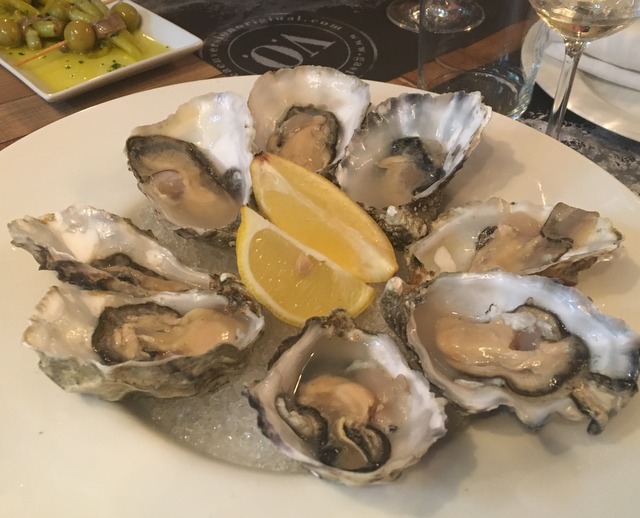
The front of the premises is a spacious pinxo bar opening onto Calle Santo Tomas, with a terrace facing the Archivos, and the bar itself on one side, with a very appetising array of Basque style pinxos so typical in Bilbao, but something of a novelty in Seville. We got to try a few as an appetiser, my favourite being the chistorras (small spicy sausages).
Beyond the bar are two dining rooms leading out to a second terrace on Calle Miguel Mañara, with space for around thirty diners. Decoration is minimalist, but with lots of wood, and a big mural of a fisherman.
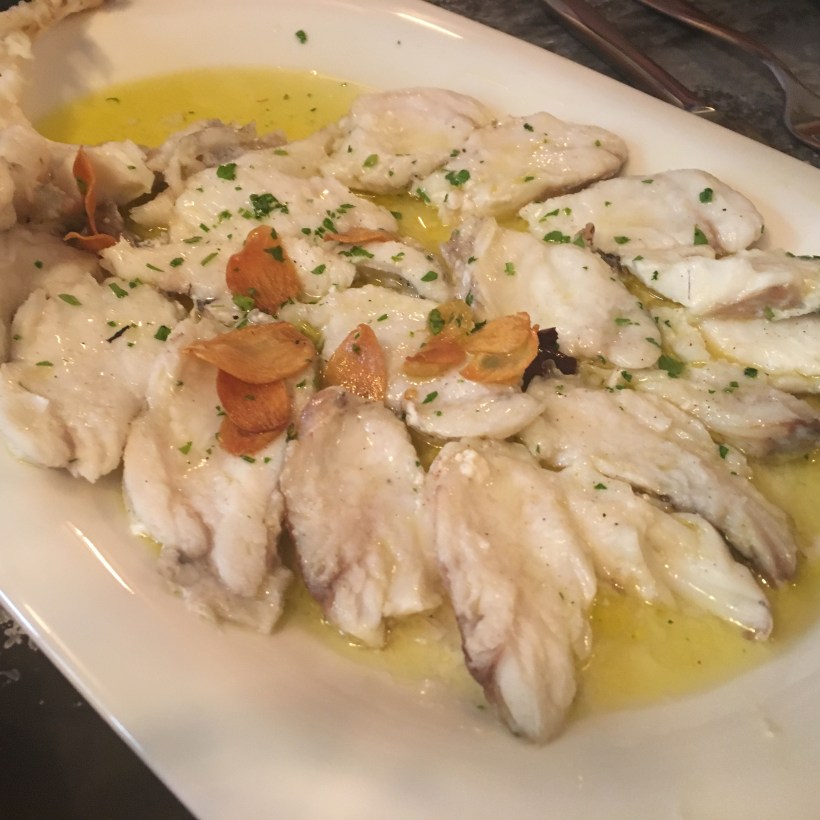
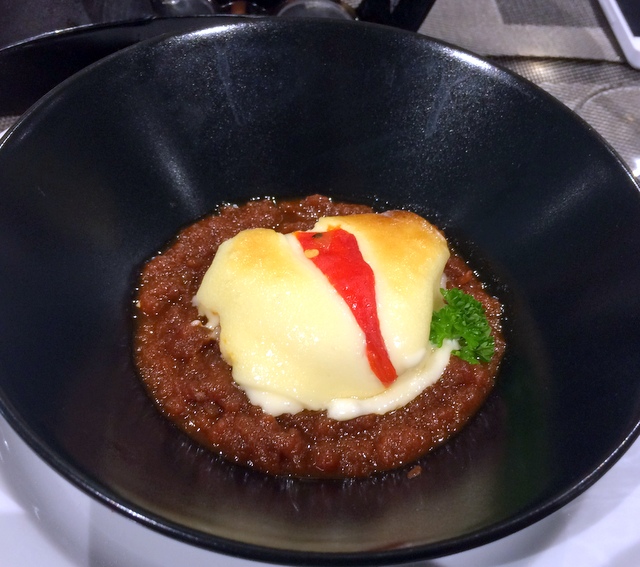
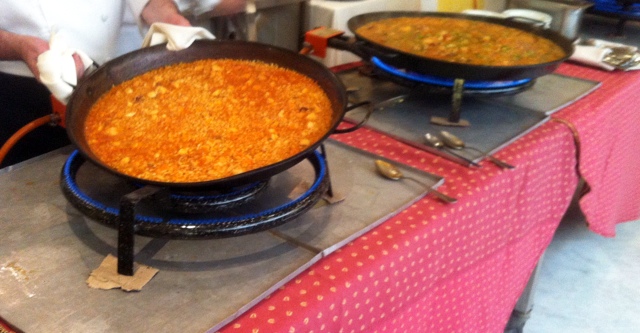
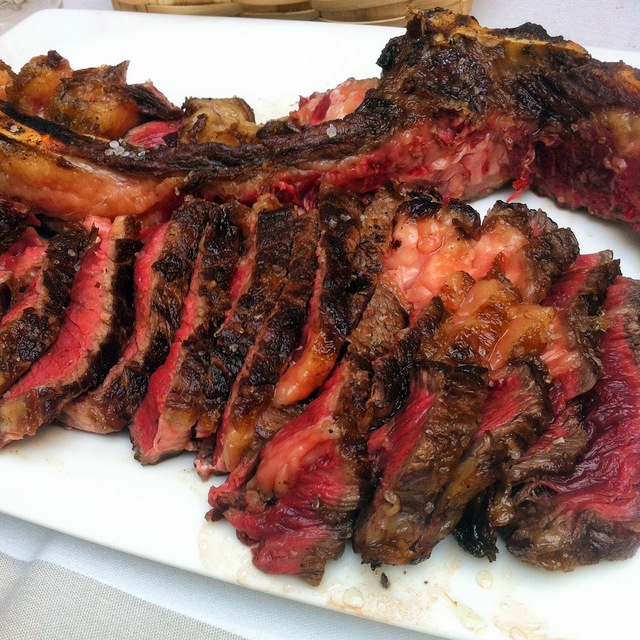
Lunch was a nine course tasting menu (including dessert), starting with oysters and working through a prawn carpaccio, salad, fish, and roast peppers to the grilled beef finale. The quality was excellent throughout, and it looks like Orio will be a welcome addition to dining out in Seville.






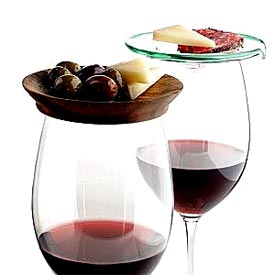 The first of these questions is relatively simple. In Spanish a “tapa” is a lid or cover, and the story is that tavern keepers would give their customers a slice of bread or ham to cover their drinks to keep out the dust and the flies (fruit flies are partial to a bit of sweet wine or sherry). It’s also possible that something strongly flavoured, like cheese, could be used to disguise the taste of poor quality wine.
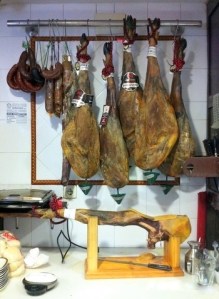 This is also a tale of three kings (but not The Three Kings). It is said that when the 13th century king Alfonso X “The Wise” became gravely ill his recovery was aided by eating small quantities of food and drink throughout the day, instead of full meals, while Felipe III in the early 17th century decreed that tavern keepers had to serve food with their drinks as a measure to combat the problem of drunkenness, especially among off duty soldiers and sailors. Later Alfonso XII (or possibly Alfonso XIII, an indication that the story may be apocryphal) is claimed to have been visiting a tavern in Cádiz and was served his drink with a slice of ham to keep out the sand blowing in from the beach. When he ordered another drink he asked for it with “the cover”. Over time the food that was served became more varied and more substantial, and going out for tapas became a common practice. The activity is also a very social one, and families and groups of friends would share their tapas while socialising, making this a very convivial activity in a way that is unusual for a more formal meal.
 Seville Concierge